
Sunday mornings in Enugu were normally calm — the city exhaled, the air somehow cleaner, the sky softer. But Henry felt no peace. As bells rang faintly in the distance and the neighborhood children sang along with their mothers in preparation for church, he sat cross-legged on his bed, staring at the brown envelope Chika had given him.
It was still unopened.
He’d danced his soul into that performance. He’d felt the universe folding around him as his body became a vessel for everything he hadn’t said. And still, she’d left him with half a promise and a vibrating phone.
He wanted to be angry. But all he felt was… tired.
A knock echoed from the front door of his apartment — three short raps, followed by silence.
He knew that knock.
He didn’t move.
Another knock came. Same rhythm.
“Henry?” a voice called.
It was Ngozi.
With a sigh, he stood up and opened the door.
Ngozi*, his neighbor and childhood friend, entered like she belonged there — as she often did — with a plastic food flask in one hand and her keys in the other. Her braids were tied back in a ponytail, and she wore a faded Manchester United jersey over jeans.
“You didn’t show up in church,” she said. “So I brought you Sunday rice.”
Henry managed a smile. “You always bring rice when you want information.”
“True,” she said, plopping herself onto his couch. “So, who broke your heart this time?”
He rolled his eyes. “No one broke anything.”
“You’ve been pacing upstairs like you’re calculating death and taxes,” she replied. “And you didn’t even dance during offering last week.”
“I was tired.”
“Lies.”
She opened the flask. The smell of jollof rice and goat meat filled the room like a warm embrace.
“Is it Chika?” she asked.
He didn’t answer.
She took a bite of meat, chewed thoughtfully, then said, “You really like her.”
He nodded.
“But she’s distant,” Ngozi continued. “Careful. Like a cat that’s been burned before.”
“She doesn’t trust love,” Henry said quietly. “She respects it. But she’s afraid of it.”
Ngozi tilted her head. “And you’re not?”
Henry laughed bitterly. “I’m terrified. But I’m more afraid of living a life where no one ever sees me. Really sees me. I thought she did.”
“Maybe she does,” Ngozi offered. “But maybe she’s still deciding whether that’s a good thing.”
They sat in silence for a while. Henry picked at the rice, barely eating. Ngozi watched him with sisterly worry.
“You know,” she said softly, “some people aren’t meant to fill us. They’re just mirrors, showing us what we’re missing.”
Henry looked at her. “So what if you fall in love with the mirror?”
Ngozi shrugged. “Then you either learn to love yourself through them… or you break.”
He didn’t answer.
She stood up, dusting rice grains from her lap. “Call me if you need to cry. I won’t mock you until the next day.”
He managed a weak smile as she left, closing the door behind her.
Alone again, Henry finally opened the envelope.
Inside was the printed article, now slightly creased and smelling faintly of suya and lavender.
He read it slowly, sentence by sentence.
Chika’s words painted him like a myth — a dancer who moved like he was haunted by gods, a man whose grace came from pain, whose joy was tinged with longing. She’d captured moments he hadn’t realized he’d lived — the way his eyes searched the crowd after each performance, the small shake of his hands before the drums began.
And near the end, she’d written:
“Henry Agu reminds me that art is not about perfection — it’s about being brave enough to let someone see your wound and call it beautiful. In his silence, I hear music. In his solitude, I see all of us.”
He exhaled.
She saw him. Maybe not the way he’d hoped. But she saw him.
He folded the paper again, more gently this time, and placed it back in the envelope.
That evening, he walked to the field behind the community center — the one with the dusty pitch and the crooked goalposts. The children were gone for the day, the grass gold and brittle beneath his feet.
He brought his speaker and his playlist.
And he danced.
No audience. No stage. No spotlight.
Just dust and dusk and the echo of drums in his head.
Each movement shook the ache from his bones — the spin of disappointment, the stomp of heartbreak, the reach of hope. He danced for himself, not to be watched but to be whole.
Somewhere behind the trees, smoke from evening fires curled into the sky like questions.
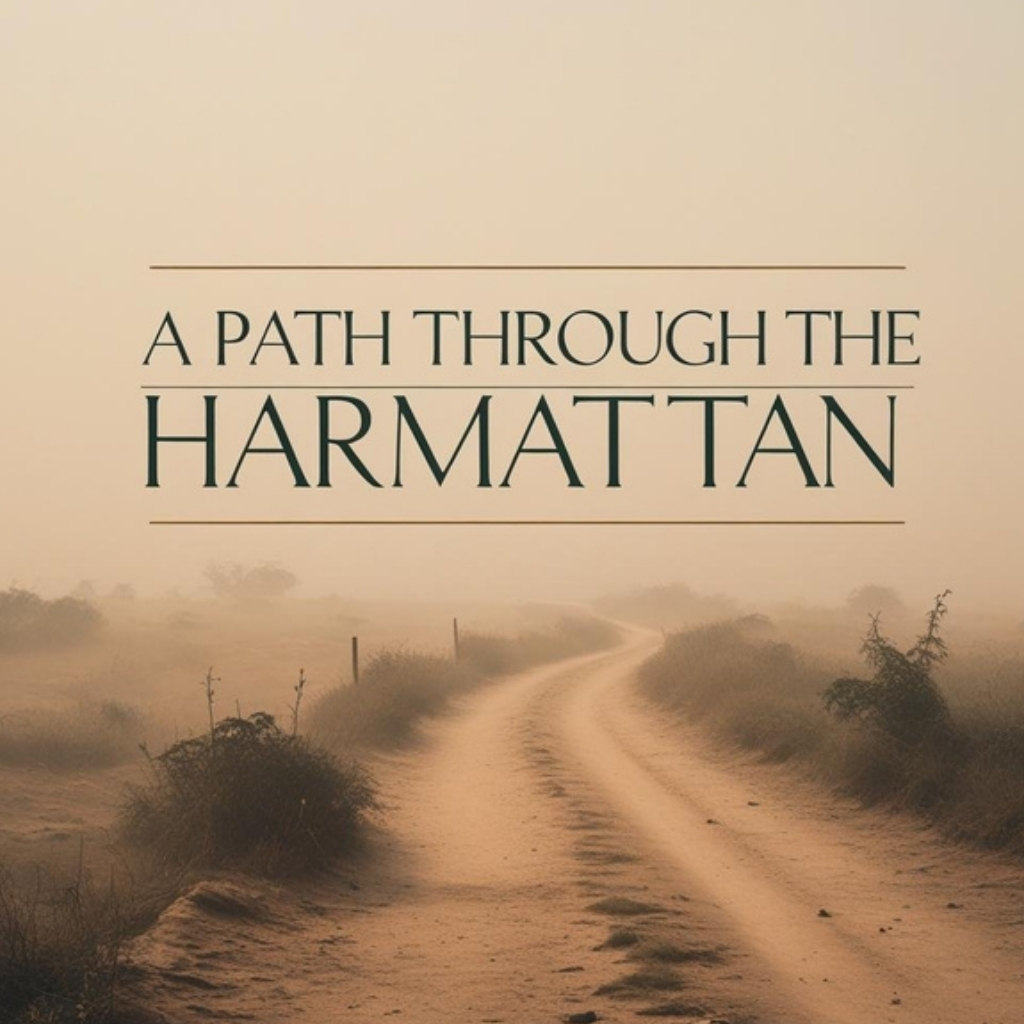
By the time he stopped, sweat clung to his shirt and his breath came in shallow gulps. The Harmattan wind picked up, dry and sharp, coating his skin in thin layers of dust.
He stood in the middle of the field, arms open, eyes closed, as if waiting to be carried away.
But the sky was silent.
And no one came.